
Cruiser Craze Sweeps Zimbabwe
The Rise of “Cruiser Mhani”
Something remarkable is unfolding across Zimbabwe’s motoring culture. What began as a playful street chant has grown into a full-blown movement, capturing the imagination of motorists, mechanics, and social media audiences alike. “Cruiser Mhani” is no longer just a catchy phrase. It has become a badge of honour, a statement of strength, and a symbol of admiration for one of the most respected vehicles on Zimbabwe’s roads: the Toyota Land Cruiser.
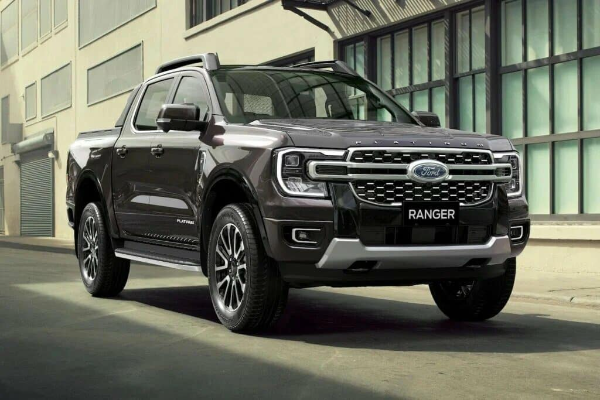
Unlike trends created in boardrooms or launched through polished advertising campaigns, this one rose naturally from everyday life. It came from the streets, from car talk, from humour, rivalry, and passion. The phrase is credited to Trevor Chagura, who first used it as a playful jab in defence of the Land Cruiser against the Ford Ranger Raptor, declaring the Cruiser the true king of the road. What started as banter quickly evolved into something much bigger.
More Than a Phrase
Today, “Cruiser Mhani” has become a language of its own. It has inspired music, merchandise, and a sense of belonging among motoring enthusiasts. It reflects what the Land Cruiser means to many Zimbabweans: toughness, dependability, endurance, and quiet authority. The vehicle has earned a reputation as the machine that keeps going when others fail, the one that can endure punishing conditions and still come out strong.
That image has given the Land Cruiser a larger-than-life identity. For many, it is not just a vehicle but a symbol of raw strength and presence. It carries status, character, and a rugged appeal that has helped make it “imota yaBaba” — Dad’s car. In a culture that values reliability and resilience, the Land Cruiser stands tall, and “Cruiser Mhani” captures that sentiment perfectly.
From Motoring to Everyday Culture
What makes the phrase even more fascinating is how far it has moved beyond the automotive world. “Cruiser Mhani” has become shorthand for anything that stands out, dominates, or commands admiration. It is now used to describe excellence itself.
One street moment captured this shift perfectly. On Kaguvi Street, mechanics reportedly burst into a spontaneous chorus of “Cruiser Mhani” as a striking woman walked past. In that moment, the phrase had nothing to do with cars, yet it still expressed admiration, presence, and standout appeal. That is how deeply it has embedded itself into popular culture.
An Organic Marketing Triumph
Part of what gives “Cruiser Mhani” its power is its authenticity. There is no sign of a calculated marketing campaign behind it. It was not pushed by a corporate strategy or built through paid promotion. It spread because people connected with it. Social media gave it wings, and the public gave it meaning.
For Toyota, this has become a rare kind of brand exposure — organic, credible, and rooted in public affection. It is the type of attention companies dream of but cannot manufacture. As the phrase continues to gain traction, some have even called for Trevor Chagura to be formally recognised as a brand ambassador. Whether that happens or not, the public has already crowned him the voice behind a movement.
The FJ45 Restoration Begins
Now, this cultural wave is being matched by a restoration project that perfectly reflects its spirit. DRIVEtorque has handed a tired, rusted Toyota Land Cruiser FJ45 to Supreme Panel Beaters in Msasa for a full restoration. The mission is ambitious: to bring an ageing legend back to life and return it to the road with its dignity fully restored.
This is not just another workshop project. It has become part of the larger Cruiser Mhani story. The FJ45 represents the very qualities the movement celebrates — endurance, strength, and the refusal to die.
Stripped Down to Rebuild Right
At Supreme Panel Beaters, the work has been methodical and serious. The vehicle was first subjected to a full inspection to uncover both visible and hidden damage. From there, the strip-down process began. Panels, trims, lights, bumpers, handles, and other components were removed, leaving the vehicle reduced to its bare shell.
Every part has been carefully labelled and stored to make sure the rebuild is accurate. This kind of work requires patience and discipline. To an outsider, it may look slow, but restoration of this level cannot be rushed. Each stage matters, and every detail contributes to the final result.
A Defining Moment
One of the most powerful moments in the process came when the FJ45’s engine was started after years of neglect. It responded smoothly, almost defiantly, as if it had simply been waiting for someone to believe in it again. That single moment captured the essence of the Land Cruiser. Even when worn down, it refuses to give in.
It also reinforced why this project matters so much. The FJ45 is not just a vehicle being repaired. It is a symbol being revived.
The Team Behind the Comeback
The craftsmanship behind the build is as important as the machine itself. Every panel is being stripped to bare metal, repaired, reshaped, and reinforced. The chassis and frame are also being restored to ensure the vehicle is solid from the ground up.
Among those carrying out the work is Fazilla, a qualified technician focused on the cab components. Her role in grinding, welding, cleaning, and reinforcing the structure highlights the level of skill being invested in the project. This is hands-on craftsmanship, driven by technical knowledge and pride in the job.
The Deadline: First Week of July in Harare
Supreme Panel Beaters has made its commitment clear. The company says the FJ45 will be ready for the Cruiser Mhani event in Harare in the first week of this July. That promise has added another layer of anticipation to an already closely followed project. The deadline is significant because the event now feels like the perfect stage for the Cruiser’s rebirth.
That commitment also raises the biggest question surrounding the project: will Supreme meet the deadline, and more importantly, will it meet the challenge it accepted — to make the car new again?
Can Supreme Deliver?
Meeting the deadline will depend on whether the remaining restoration stages proceed without major surprises. Classic vehicle rebuilds often reveal hidden complications, especially once metalwork advances and structural issues are fully exposed. That said, the work already completed suggests the project is in capable hands. Supreme Panel Beaters has the reputation, the experience, and the technical discipline to handle a demanding build like this.
But finishing on time is only half the challenge. The greater test is quality. Can they make the car feel new again? Not new in the literal sense of factory production, but new in spirit, finish, and road presence. That means restoring not only its body and structure, but also its character. It means returning the FJ45 to a condition worthy of the Cruiser Mhani name.
If Supreme gets both right — the timing and the execution — the result will be more than a successful restoration. It will be a statement.
More Than a Rebuild
As the work continues, the FJ45 has come to represent something bigger than metal, paint, and mechanical parts. Its restoration mirrors the broader Cruiser Mhani movement itself: a celebration of resilience, strength, and timeless appeal. The Land Cruiser remains a machine that commands respect, whether standing proudly on the road or being painstakingly rebuilt in a workshop.
Awaiting the Return
For now, enthusiasts continue to watch closely as the restoration unfolds. Updates from DRIVEtorque across TikTok, Facebook, and Instagram have already attracted hundreds of thousands of viewers, proof that public interest in the project is only growing.
When the restored FJ45 finally rolls out, its appearance at the Cruiser Mhani event in Harare in the first week of July could become one of the defining moments of this movement. If Supreme Panel Beaters delivers on its promise, the revived Cruiser will be more than a restored classic. It will be living proof of what “Cruiser Mhani” has come to mean: strength, presence, endurance, and the power to rise again.
Partners